
If you’re trying to rebuild properly, start here:
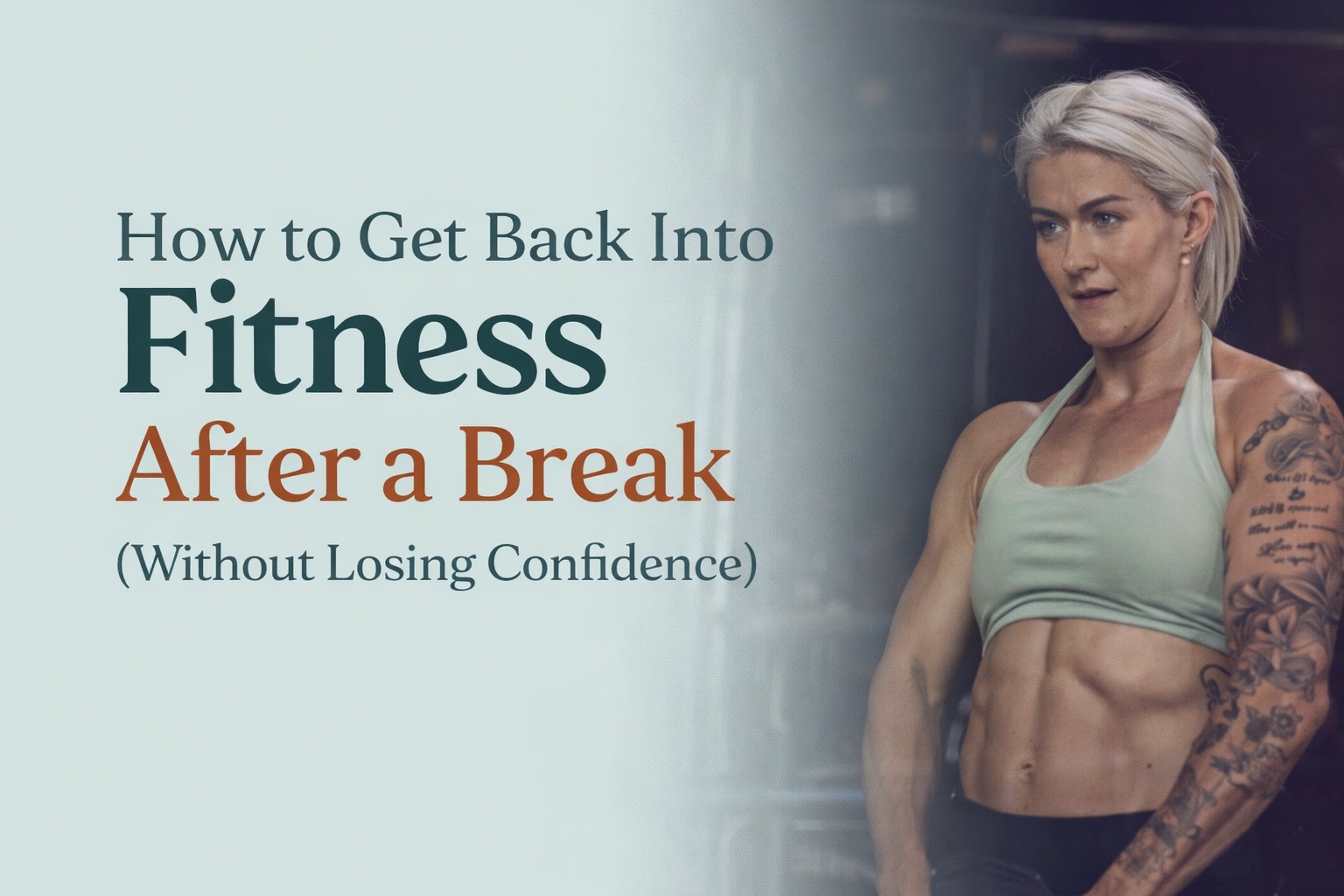
How to Get Back Into Fitness After a Break (Without Losing Confidence)
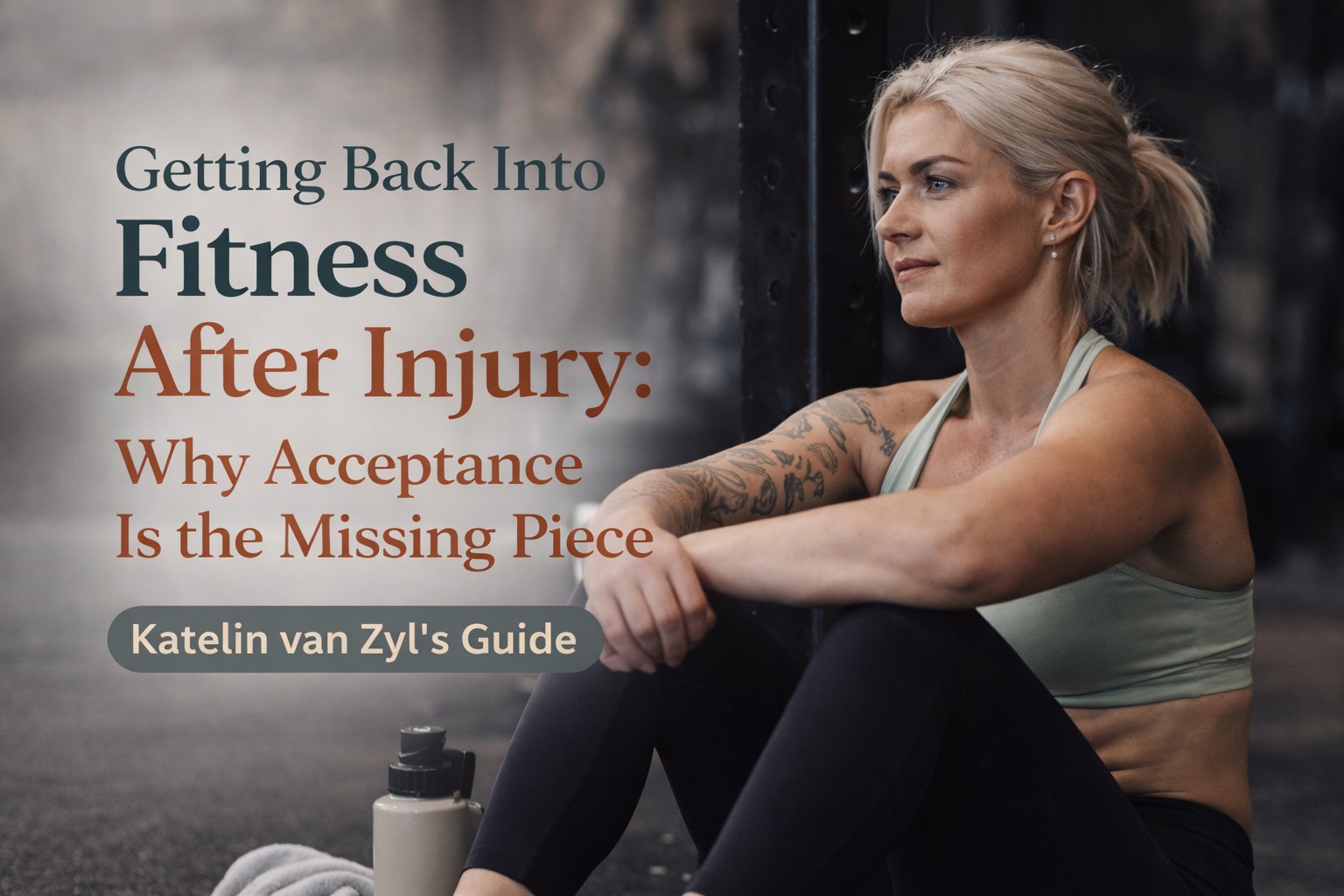
Why Getting Back Into Fitness After Injury Feels So Hard (And What No One Tells You)
No one prepares you for what happens in your head when you’re getting back into fitness after injury.
Not the frustration.
Not the fear.
And definitely not the grief that comes with losing the body you trusted.
We talk a lot about exercise after injury in terms of rehab timelines, exercises, and return-to-training plans.
ACL rehab. Strength work. How long until you can run, squat, or train properly again.
What we don’t talk about enough is the part underneath all of it — the mental and emotional experience of trying to start working out again after injury.
And that’s often the part that breaks people.
“Mental toughness in recovery isn’t pushing harder. It’s listening better.”
Why Getting Back Into Fitness After Injury Feels So Hard
Whether you’re coming back from CrossFit, Hyrox, or just trying to rebuild after time off, training becomes more than exercise.
It becomes:
- routine
- identity
- stress relief
- confidence
So when injury hits, it doesn’t just take away movement.
It takes away certainty.
You’re no longer someone who just trains.
You become someone who:
- hesitates
- second guesses
- watches instead of participates
Psychologists describe this as identity disruption, when something changes your relationship with yourself, not just your circumstances.
Carl Jung spoke about this in terms of identity fragmentation — when who you are no longer aligns with what you can do.
That’s why getting back into fitness after injury feels so heavy.
The Mental Side of Injury Recovery No One Talks About
ACL injuries come with a plan.
There are protocols. Exercises. Timelines.
But they don’t prepare you for what it feels like to:
- not trust your body
- feel fear during simple movements
- constantly monitor every sensation
You can follow the perfect program…
…and still feel stuck.
Because your nervous system hasn’t caught up yet.
Dr. Bessel van der Kolk (The Body Keeps the Score) explains that the body holds onto threat long after the event has passed.
So even when you’re physically improving…
Your body still feels like it needs to protect you.
Read more here: Physically Healing but Mentally Stuck? Why Returning After Injury Feels So Hard
Mental Toughness in Injury Recovery Isn’t What You Think
We’ve been taught that mental toughness means pushing harder.
Ignoring discomfort. Getting on with it.
But when you’re getting back into fitness after injury, that approach backfires.
Real mental toughness looks like:
- slowing down when you want to rush
- listening when something feels off
- building trust instead of forcing progress
- respecting where you’re actually at
Peter Levine’s work in somatic experiencing explains this well, safety is what allows the body to move forward.
Not force.
“Your body isn’t failing you. It’s asking for a different approach.”
When You Stop Training, Everything Gets Louder
For a lot of women, training isn’t just physical.
It’s how you regulate.
It’s how you process stress.
It’s how you feel like yourself.
So when that disappears…
Everything else gets louder.
This is why getting back into fitness after injury feels overwhelming.
Not because you’re weak.
But because you’ve lost one of your main anchors.
Recovery Is Learning to Trust Yourself Again
This is the part no one explains properly.
The hardest part isn’t rebuilding strength.
It’s rebuilding trust.
- trusting your knee
- trusting your body
- trusting yourself to move again
Confidence doesn’t come from thinking your way out of fear.
It comes from:
small, consistent exposure
movement that feels safe
rebuilding control
More on this here: How to Rebuild Confidence After Injury Without Rushing Your Body- Katelin Van Zyl’s Approach
What I Learned From My Own Injuries
This is where everything changed for me.
Coming back from ACL surgery, a hernia, and other injuries…
The biggest mistake I made early on was trying to get back to who I was.
Instead of meeting myself where I actually was.
What helped wasn’t:
- pushing harder
- doing more
- chasing old performance
It was:
- rebuilding slowly
- focusing on quality
- learning to trust my body again
Most advice gets this wrong.
It treats recovery like a physical checklist.
But the real shift happens when you stop asking:
“How do I get back quickly?”
And start asking:
“How do I rebuild properly?”
Strength Looks Different When You’re Getting Back Into Fitness
Strength in recovery isn’t:
❌ lifting heavier
❌ pushing harder
❌ chasing intensity
It becomes:
✔ consistency
✔ awareness
✔ control
✔ trust
This applies whether you’re:
- rebuilding after ACL injury
- returning after pregnancy
- getting back into fitness after time off
“Mental toughness in recovery isn’t pushing harder. It’s listening better.”
If You’re Trying to Get Back Into Fitness After Injury Right Now
If you’re reading this and thinking:
“This is exactly where I’m at”
You’re not behind.
You’re not failing.
You’re just in the phase most people don’t understand.
This isn’t a fitness program. It’s your comeback.
If you’re trying to rebuild your strength, confidence, and trust in your body…
Join the waitlist for the 28 Days Back on Track program
FAQ: Getting Back Into Fitness After Injury
Why is getting back into fitness after injury so hard?
Because it affects identity, confidence, and nervous system safety, not just physical ability.
How long does it take to rebuild confidence after injury?
Confidence builds gradually through consistent, safe movement, not just time.
Can I train even if I feel unsure?
Yes, but it needs to be structured, progressive, and focused on safety.
Why do I still feel fear even after healing?
Because your nervous system is still protecting you, this is normal.