
Getting Back Into Fitness After Injury: Why Acceptance Is the Missing Piece
If there’s one word people hate hearing when they’re getting back into fitness after injury, it’s acceptance.
It sounds like giving up.
Like settling.
Like admitting defeat.
Especially if you’re someone who’s built strength through discipline, structure, and pushing your limits, whether that’s CrossFit, Hyrox, strength training, or just finally feeling good in your body again.
So when injury hits, acceptance feels wrong.
But here’s what most people don’t realise:
Acceptance isn’t weakness.
It’s the turning point.
“Your body isn’t asking you to quit. It’s asking you to adapt.”
If you’re trying to figure out how to approach this properly, start here:
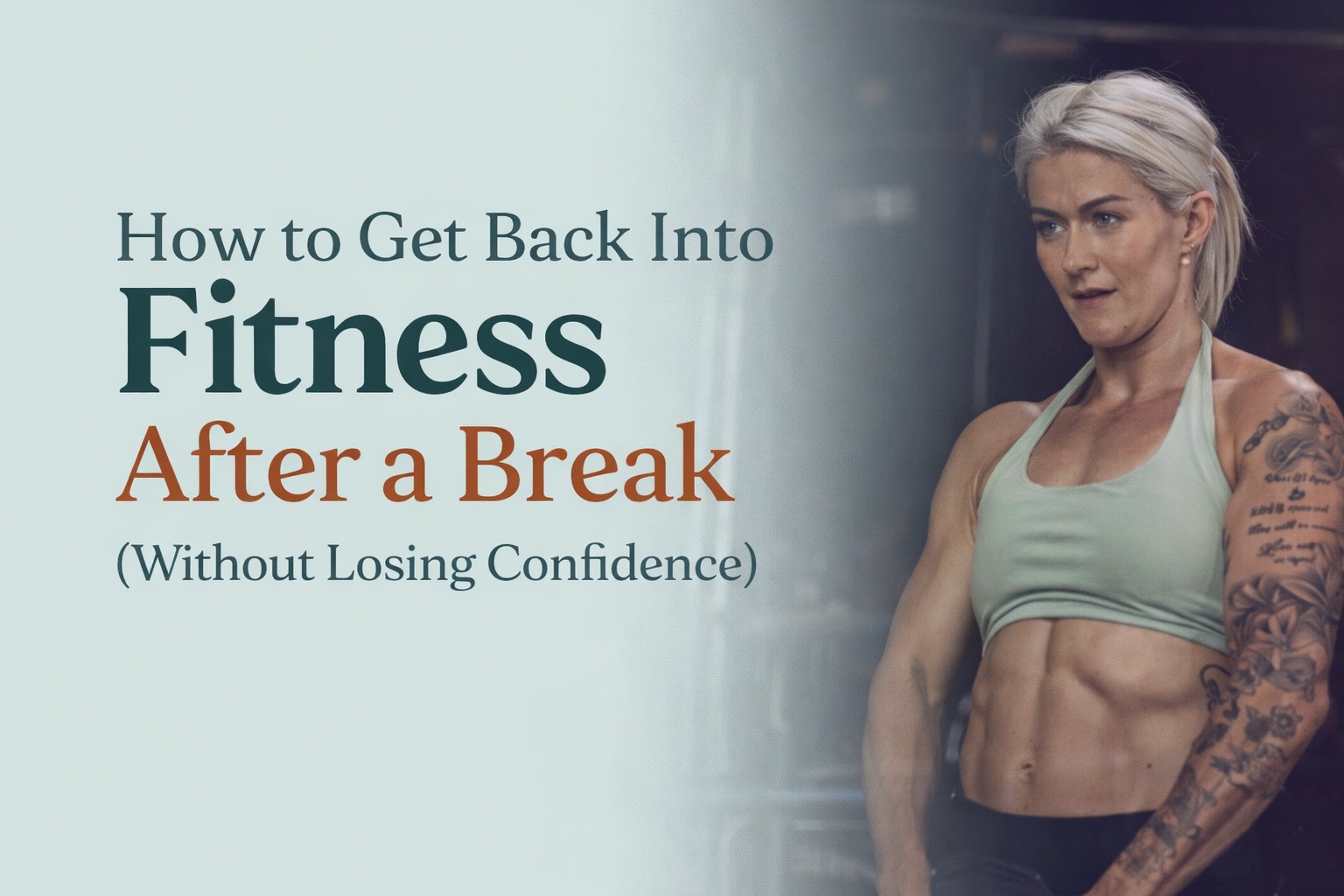
How to get back into fitness after a break (without losing confidence)
Why Getting Back Into Fitness After Injury Feels So Hard
If you’re struggling to get back into fitness after injury, it’s not just about strength.
It’s identity.
You’re used to:
- having structure
- knowing what to do
- trusting your body
- progressing
Then suddenly… you’re not that person anymore.
Carl Jung described this as a break in identity, when who you are no longer matches what you’re capable of in that moment.
That gap creates:
- frustration
- impatience
- self-doubt
- pressure to “get back to normal”
This is why recovery feels so heavy.
Not because you’re weak,
but because something familiar has been taken away.

Why Athletes Struggle With Acceptance in Injury Recovery
If you’re drawn to training, you’re probably not someone who avoids hard work.
You’re used to:
- setting goals
- following plans
- pushing through discomfort
That mindset builds strength.
But in injury recovery, especially ACL rehab, it can work against you.
You can’t:
- force tissue to heal faster
- outwork your nervous system
- push your way back into trust
And that’s where frustration kicks in.
Not because you’re doing anything wrong —
but because recovery requires a completely different approach.
Acceptance Isn’t Giving Up — It’s Stopping the Internal Fight
Let’s clear this up properly.
Acceptance doesn’t mean:
- you’re okay with being injured
- you stop caring
- you give up on your goals
It means you stop fighting reality.
Because when you don’t accept where you’re at, recovery usually looks like:
- rushing timelines
- comparing yourself to others
- ignoring fear signals
- pushing too early
That’s where setbacks happen.
“Acceptance doesn’t slow recovery — resistance does.”
The Nervous System Side of Getting Back Into Fitness After Injury
This is the part no one really explains.
After injury, especially ACL, your nervous system becomes protective.
Movements that used to feel automatic now feel uncertain.
You might notice:
- hesitation in simple movements
- fear during stability work
- constant checking of your body
Dr. Bessel van der Kolk explains this in The Body Keeps the Score, the body holds onto threat long after the injury itself has healed.
You’re not broken.
Your body is trying to keep you safe.
Acceptance is what allows that system to settle.
Read more here: Why you feel physically healed but mentally stuck after injury
Why Pushing Harder Can Keep You Stuck
One of the biggest mistakes I see when people are getting back into fitness after injury is trying to earn confidence by pushing harder.
But confidence doesn’t come from forcing movement.
It comes from:
safe, repeated exposure
Peter Levine’s work in somatic experiencing reinforces this, the body rebuilds trust through safety, not intensity.
This applies whether you’re:
- rebuilding after ACL injury
- returning to CrossFit
- coming back postpartum
- starting again after time off
What I Learned From My Own Recovery
This was the hardest shift for me.
Coming back from ACL surgery, a hernia, and other setbacks…
I kept trying to get back to who I was before.
That’s where I got stuck.
What actually helped wasn’t:
- doing more
- pushing harder
- chasing old performance
It was:
- slowing things down
- focusing on quality
- learning to trust my body again
Most advice doesn’t talk about this.
It treats recovery like a checklist.
But the real work is internal.
What Acceptance Looks Like in Real Training
Acceptance isn’t passive.
It’s disciplined.
It looks like:
- measuring progress in control, not weight
- choosing consistency over intensity
- respecting where you’re at
- training what your body needs, not what your ego wants
This is especially hard in women’s fitness, where comparison is constant.
But it’s what creates long-term strength.
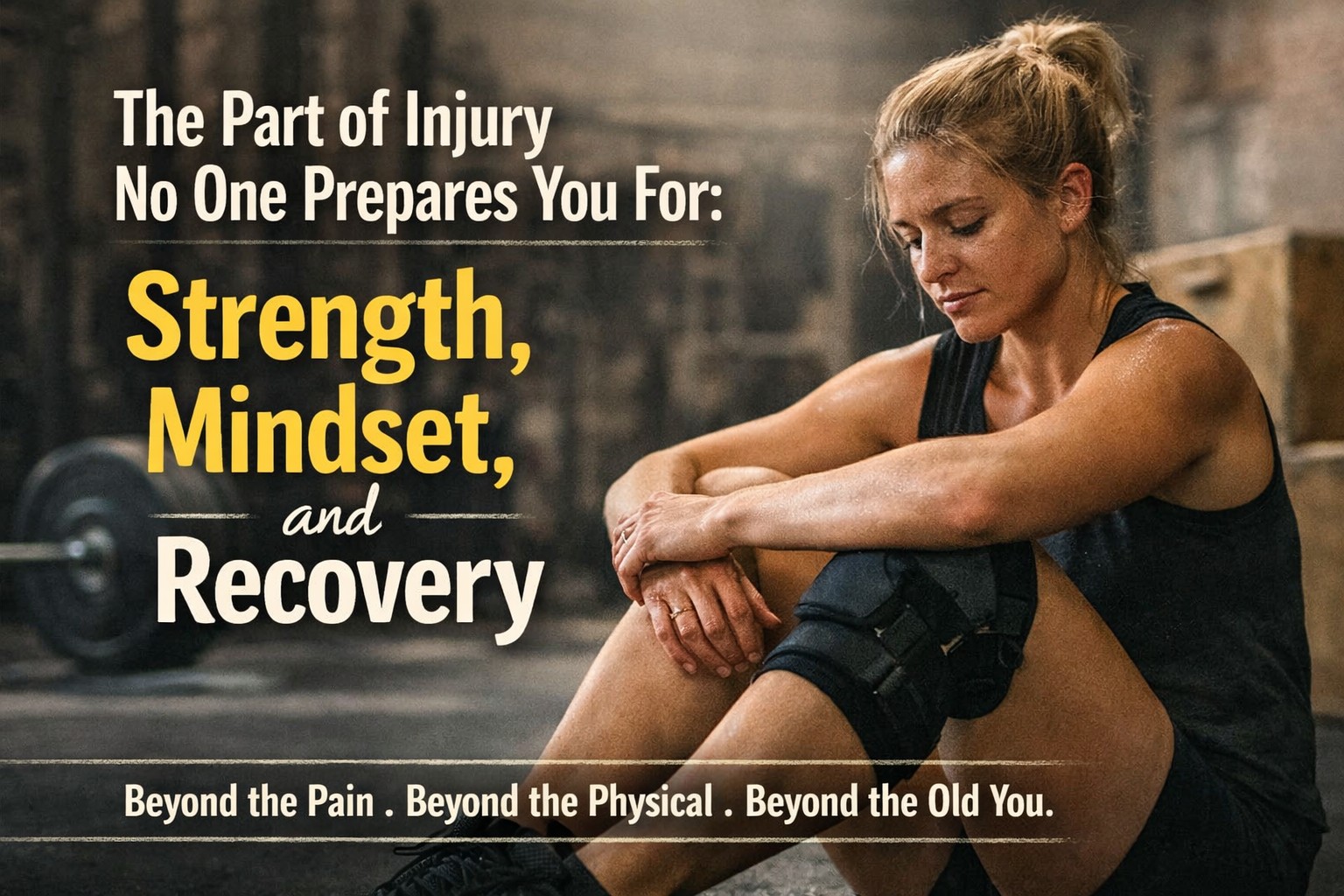
Read more here: Getting Back Into Fitness After Injury: The Part No One Prepares You For
Strength Changes When You Stop Resisting
When you stop fighting your body, strength changes.
It’s no longer about:
how much you lift
It becomes:
✔ how well you listen
✔ how consistently you show up
✔ how safely you move
Eckhart Tolle talks about this as presence — learning to work with what is, instead of resisting it.
That’s what acceptance actually is.
Why This Matters Beyond Injury
This doesn’t just apply to recovery.
It changes how you:
- train
- handle setbacks
- relate to your body
Acceptance doesn’t kill ambition.
It makes it sustainable.
If You’re Struggling With Getting Back Into Fitness After Injury
If you’re sitting in that space right now…
Frustrated. Impatient. Unsure.
Nothing has gone wrong.
You’re not behind.
You’re just in the phase most people don’t understand.
If you’re trying to rebuild strength, confidence, and trust in your body…
Join the waitlist for the 28 Days Back on Track program
FAQ — Getting Back Into Fitness After Injury
Why is acceptance so hard during injury recovery?
Because it challenges identity, control, and how you define progress.
Does acceptance mean I stop pushing myself?
No, it means you train intelligently instead of reactively.
Can acceptance actually improve recovery?
Yes, it reduces stress, improves confidence, and supports better movement patterns.
Why do I still feel fear after healing?
Because your nervous system is still protecting you, this is normal.